
United States government leaves healthcare funding in the hands of residents due to budget cuts
Cuts to funding and new regulations surrounding Medicaid create instability surrounding healthcare, a tax increase has been suggested as a solution.
By: Eva Larrabee, Staff Writer
Los Angeles County residents will vote on an increase in sales tax this coming June in an attempt to offset healthcare budget cuts being made by the Trump administration.
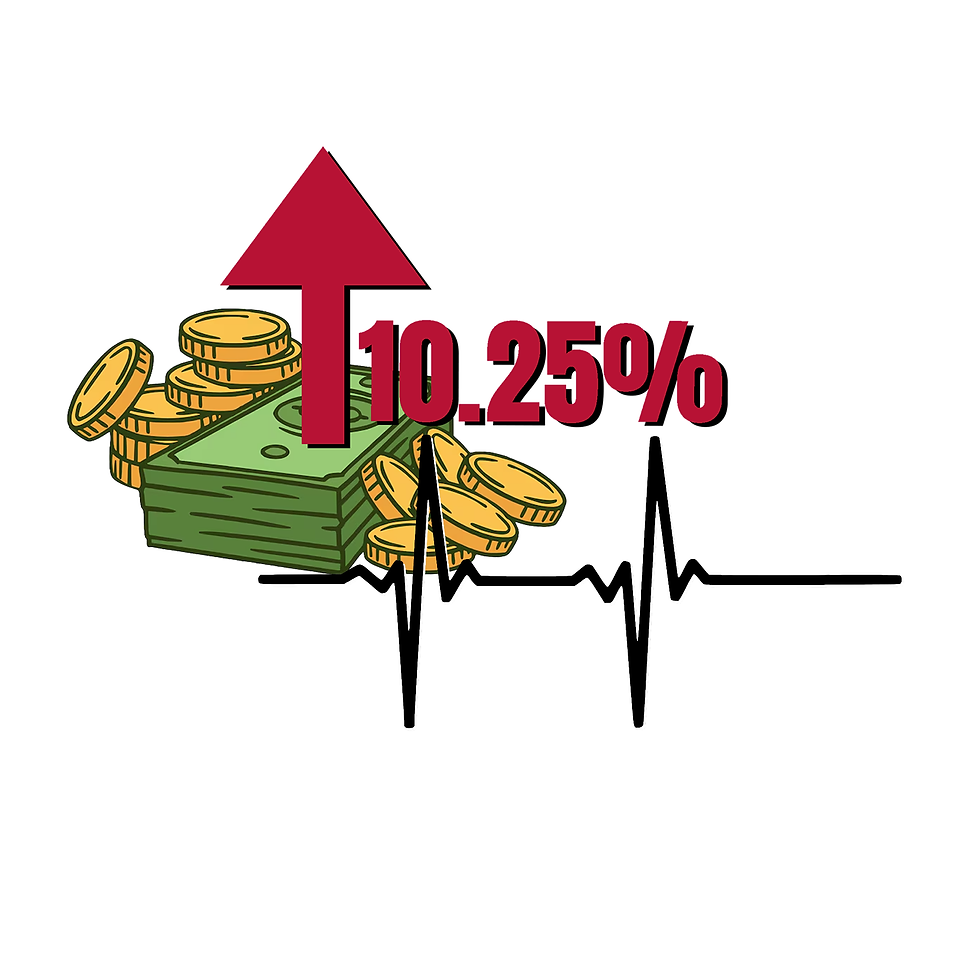
The One Big Beautiful Bill Act, or H.R. 1, will cut approximately 2.5 billion dollars from healthcare services nationwide that the federal government has historically been obligated to pay through Medicaid. If passed, the Essential Services Restoration Act will increase sales tax by half a cent per dollar, taking the current tax rate from 9.75 percent to 10.25 percent and lasting through Oct. 1, 2031.
The proposal was introduced by supervisors Hilda Solis and Holly Mitchell, who in their shared revised motion, states how the bill is needed because Los Angeles is facing the “largest federal funding cut to Medicaid in the nation's history.” Medicaid is a joint federal-state program that provides free or low-cost health coverage to millions of low-income households. As of early 2025, approximately 15 million Californians rely on Medicaid for health insurance coverage, and up to 3.4 million are estimated to lose Medicaid coverage due to federal funding cuts and new work requirements.
“It's not good that we have to pay for what the government should be paying for, but funding is important for these things,” said Laura Devoian, a nursing student at Valley College.
Along with funding cuts, new regulations have been implemented, making qualification for Medicaid harder to reach. Starting July 1, 2027, H.R. 1 will require most adults aged 19 to 64 on Medicaid to work or participate in community engagement for at least 80 hours per month to keep their coverage.
Kathryn Barger, representative of the fifth supervisorial district, stood out as the single dissenting vote, going on to say in her statement that taxpayers shouldn't have to backfill for the federal government, as “Bloomberg News reported that Los Angeles now has the highest sales tax rates of any major metropolitan region in the nation.”
If approved by voters, county officials say the additional revenue generated from the half-cent increase would be directed toward preserving healthcare services that rely heavily on Medicaid subsidies, including public hospitals, emergency rooms, trauma centers and community clinics that serve uninsured and low-income residents. According to the California Healthcare Foundation, safety-net providers, which often generate low profit per sale, are expected to feel the most impact from federal cuts.
A portion of the revenue is expected to stabilize Medi-Cal administrative services at the county level, including eligibility processing and case management support. With new federal work requirements becoming a possibility, officials expect increased administrative demands to verify compliance and assist residents in meeting qualifications. The proposed tax revenue would help prevent staffing shortages that could delay coverage or create gaps in care.
As the June vote approaches, the central question for residents remains whether local tax dollars should be used to fill a federal funding gap. For some, the measure represents an investment in stability. For others, it raises concerns about affordability in a region already known for high taxes. Either way, voters will be the ones to decide how Los Angeles County moves forward in protecting its healthcare safety net.



Comments